
Organic Kale from Qimei: Grown with Mountain Spring Water in the Deep Taihang Mountains
Sep 23, 2026·Views: 13
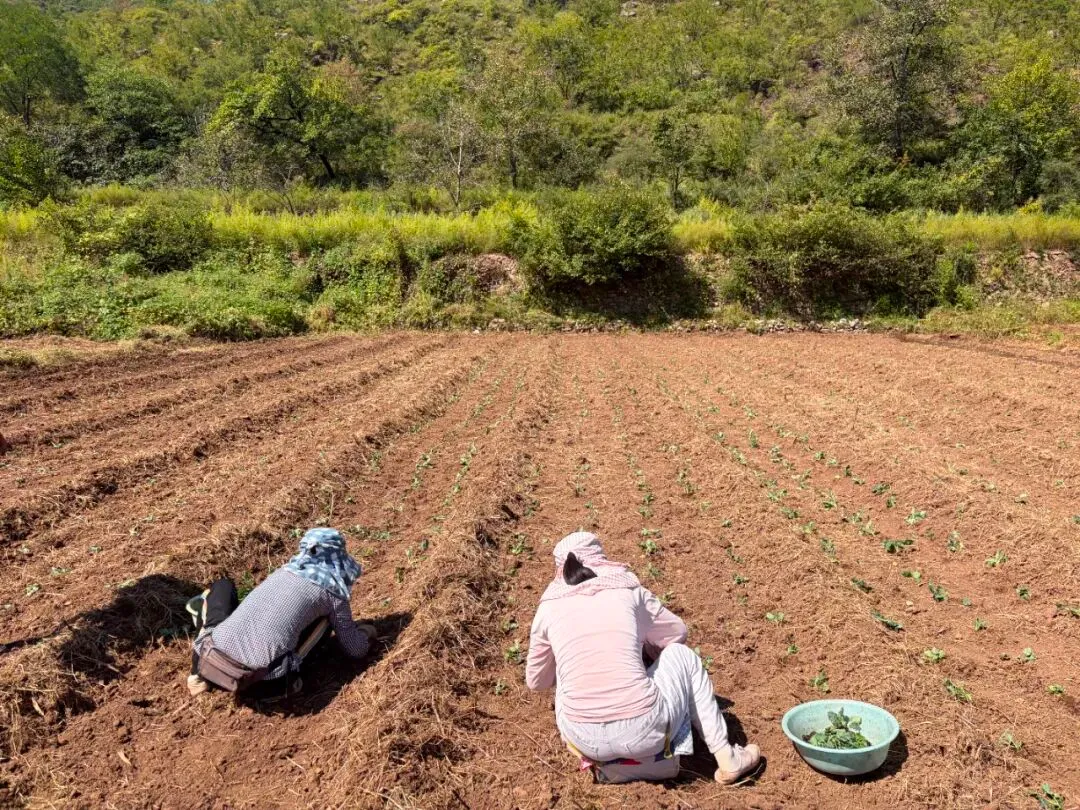
As the morning sun rises over the Taihang Mountains in September, the cool air carries the scent of fresh earth. At Qimei's Maqushui Organic Farm, our team and local farmers are already at work, carefully transplanting organic kale seedlings into the soil. Clear mountain spring water flows through newly built irrigation channels, nourishing each young plant. This is where Qimei plants its latest batch of organic kale — grown without chemical pesticides, herbicides, or synthetic fertilizers, relying solely on the purity of mountain water, the richness of organic compost, and the dedication of farmers' hands.
Why the Deep Taihang Mountains?
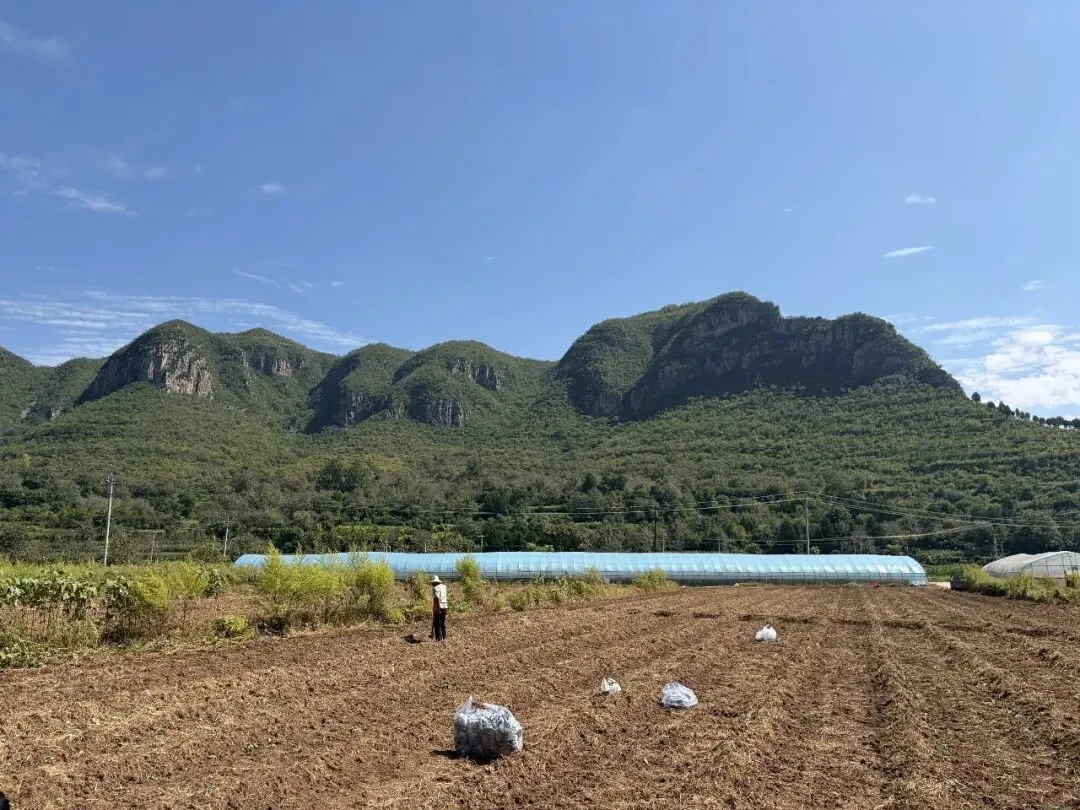
Nestled in the remote Taihang Mountain range, Maqushui Farm was established in 2009. Far from industrial zones, the air is clean, and the soil has been naturally restored through years of organic farming and fallow cycles — free of chemical residues. Most importantly, the mountain's natural springs flow year-round, providing crystal-clear, mineral-rich water for irrigation.
Kale is highly sensitive to water and soil quality. Impure water can cause harmful substances to accumulate in the leaves, and soil with chemical residues disqualifies produce from being truly "organic." This pristine mountain land meets all the stringent requirements for organic cultivation.
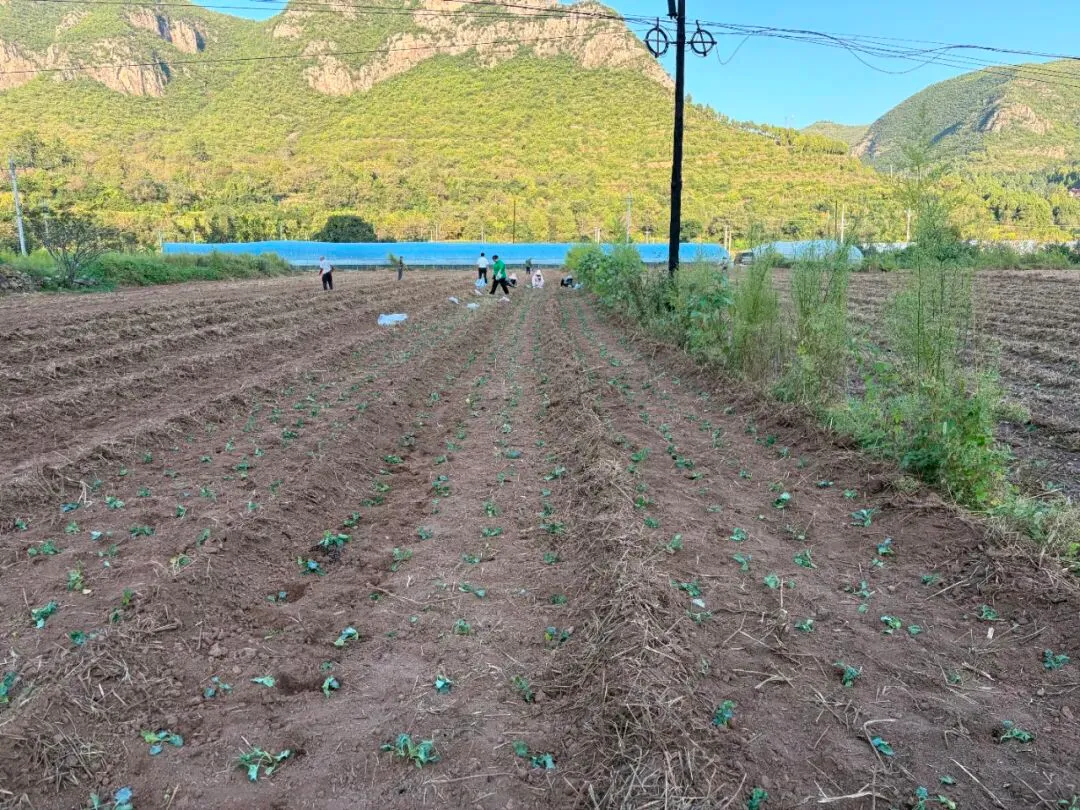
In recent days, the farm is in the critical transplanting phase. Kale seedlings are first carefully nurtured in greenhouses, then transported to the fields, where farmers plant each seedling by hand, spacing them precisely to give every leaf room to grow.
Superfood Nourished by Mountain Spring Water
Kale is widely recognized as a "superfood" for good reason. It ranks among the most nutrient-dense leafy greens — rich in vitamin C, vitamin K, beta-carotene, calcium, potassium, dietary fiber, and powerful antioxidants. In recent years, it has moved beyond restaurant salads and onto everyday dining tables around the world.
But not all kale is created equal. Kale irrigated with mountain spring water develops thicker leaves, deeper color, and a naturally sweeter taste. The minerals in the spring water are gradually absorbed by the roots and transformed into the vegetable's own nutrients. Local farmers say, "Kale grown with mountain spring water tastes clean and pure, like the mountain itself."
Water is delivered through carefully constructed channels, and irrigation is adjusted based on crop growth and weather conditions — no flooding, no waste, ensuring every plant gets exactly what it needs.
No Pesticides, Just Careful Hands
Organic farming sounds simple, but the real challenge lies in protecting the crops. Kale's tender leaves are attractive to insects, and weeds grow faster than the vegetables themselves. While conventional farming solves these problems with chemical pesticides and herbicides, our organic farm relies entirely on manual labor.
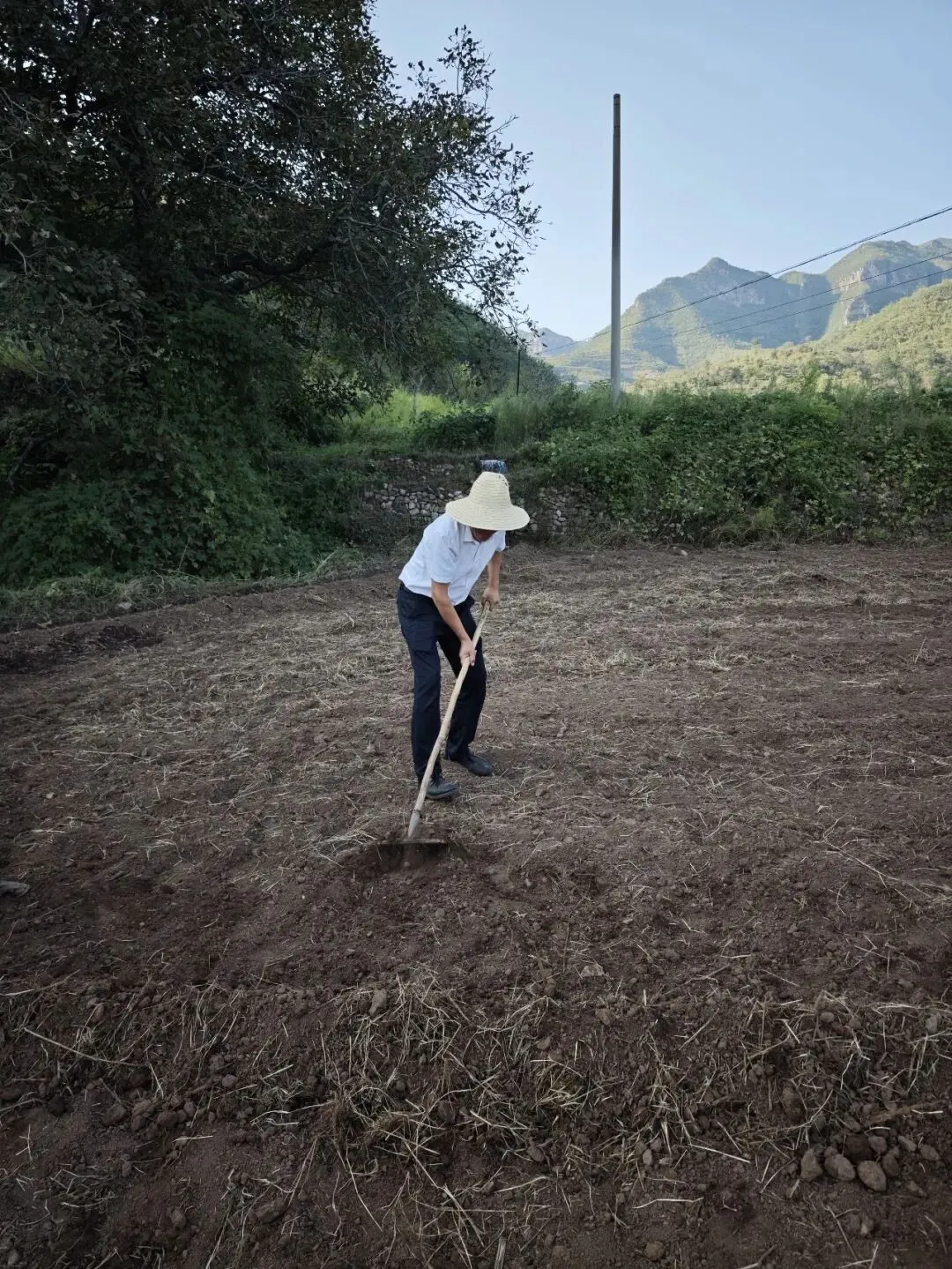
These days, the most common sight at the farm is farmers crouching between rows, planting seedlings one by one and pressing the soil firmly around each root. Once the seedlings take hold, weeds begin to emerge, and the old-fashioned method returns — a small hoe in hand, or simply pulling by hand, clearing row by row under the sun, sweat dripping into the soil.
For pest control, the farm uses a combination of physical and biological methods: insect nets, sticky traps, and beneficial insects that naturally maintain ecological balance — guiding pests away rather than eliminating them entirely. Growing without pesticides doesn't mean doing nothing; it means investing more effort and care to let the land and crops thrive naturally. The kale grown this way may not grow as fast or look as uniform as conventionally farmed varieties, but every leaf is clean, wholesome, and safe.
27 Years, One Mission
Qimei Industrial Group has been committed to organic farming for 27 years. Starting in 1999 on a barren sandy land, the company has built a fully integrated organic closed-loop system — from organic livestock farming and organic fertilizer production to organic cultivation, processing, R&D, and sales. Today, Qimei operates 85,000 acres of organic farms and has helped over 20,000 farming households increase their income.
Qimei's organic farms and processing facilities have held simultaneous organic certifications from China, the United States (USDA NOP), the European Union (EU), Canada (COR), and Japan (JAS) for many years, with products exported to more than 37 countries and regions worldwide. The company also proudly served as a food supplier for both the 2008 Beijing Olympics and the 2022 Beijing Winter Olympics, meeting the rigorous safety standards of international sporting events.
The kale growing at Maqushui Farm is just a small part of Qimei's organic portfolio, but it represents the company's unwavering commitment to full-chain control "from soil to table." Choosing the cleanest land, using the purest water, and relying on the most honest, hands-on farming methods — this is how Qimei grows vegetables you can truly trust.
Planted in September, these kale plants will mature in the coming weeks, journeying from the depths of the Taihang Mountains to dining tables around the world. In every leaf, you'll find the mountain breeze, the sweetness of spring water, and 27 years of Qimei's steadfast dedication to organic agriculture.