
Organic Elderberry Juice Powder – A Botanical Ingredient for Beverages, Gummies, and Dietary Supplements
Oct 27, 2026· Views: 5· Author: Hannah Li, Ingredient Specialist
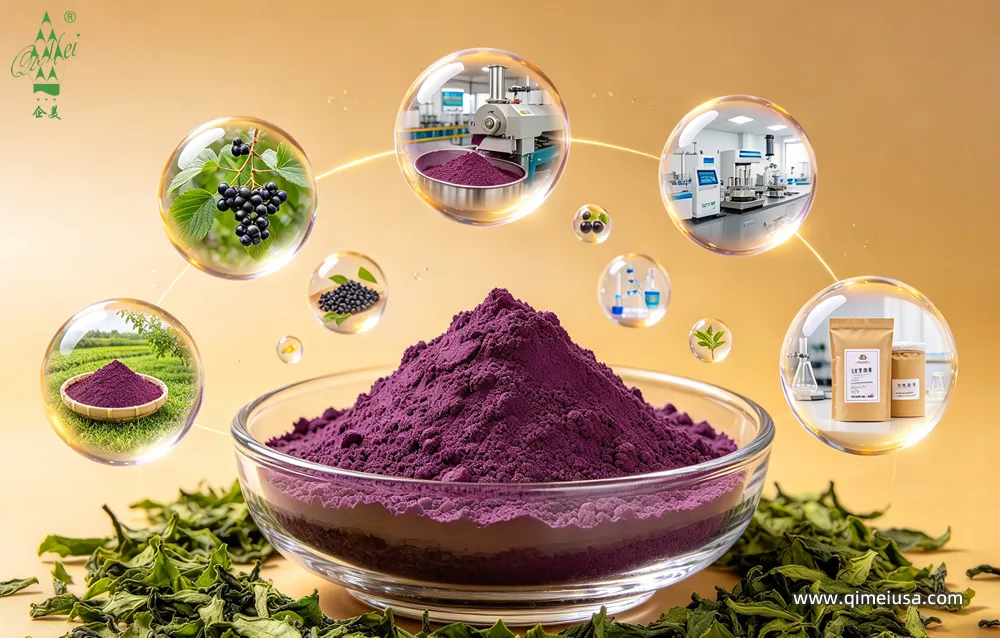
Organic elderberry juice powder has become a popular botanical ingredient for brands developing immune-supportive beverages, gummies, lozenges, effervescent tablets, and daily wellness supplements. Made from concentrated elderberry juice, this powder offers a convenient, shelf-stable way to incorporate elderberry into formulations without handling liquid concentrates or fresh fruit.
As a professional grower and processor, we understand that bulk buyers evaluate elderberry juice powder not only by price, but also by botanical origin, juice content, processing method, microbiological safety, and regulatory compliance. This article provides an overview of organic elderberry juice powder and a practical sourcing checklist for manufacturers and brand owners.
What Is Organic Elderberry Juice Powder?
Organic elderberry juice powder is produced from the juice of elderberries, typically Sambucus nigra L. The berries are harvested, juiced, concentrated, and then dried into a fine purple-red powder. Depending on the manufacturing process, the final product may be spray-dried or freeze-dried, and may include carriers or anti-caking agents to improve flowability and stability.
Elderberry juice powder is different from elderberry flower extract, elderberry leaf extract, or elderberry seed oil. Juice powder is primarily used in food, beverage, and dietary supplement applications, where its color, flavor, and botanical character are desirable.
Why Choose Certified Organic Elderberry Juice Powder?
Key Components
Organic elderberry juice powder is valued for its natural fruit-derived composition. Typical components may include:
Nutrient levels are not fixed and should be confirmed through specification sheets and batch testing. Any marketing claims should remain truthful, substantiated, and compliant with local regulations.
Manufacturer Sourcing Guide: How to Evaluate Suppliers
When sourcing organic elderberry juice powder in bulk, we recommend verifying the following points:
1. Confirm Botanical Identity and Species
Ensure the product is derived from Sambucus nigra L. or another agreed species. The botanical name should be clearly stated on technical documents, certificates, and labels where applicable.
2. Verify Organic Certification
Request current organic certificates and confirm:
3. Check Juice Content and Processing Method
Clarify whether the powder is made from concentrated juice, and whether it is spray-dried or freeze-dried. Also confirm whether carriers such as maltodextrin or anti-caking agents have been added, as this affects labeling, clean-label positioning, and formulation performance.
4. Review Specification Sheets
Key specifications may include:
5. Assess Sensory Quality
High-quality elderberry juice powder should have a natural purple-red color, a characteristic berry aroma, and a clean tart-sweet flavor. Off-notes, excessive bitterness, or uneven color may indicate quality issues.
Applications
Labeling and Compliance Considerations
If organic elderberry juice powder is sold or used in products marketed in the United States, European Union, or other regions, labeling and claims must follow applicable local rules.
Conclusion
Organic elderberry juice powder is a versatile botanical ingredient for beverage, gummy, and supplement formulations. Successful sourcing depends on confirming botanical identity, organic certification, juice content, processing method, and food safety documentation. We recommend requesting samples and reviewing batch-specific test reports before placing a bulk order.
Request Samples and Specifications
If you are sourcing organic elderberry juice powder for commercial production, please contact us for samples, specification sheets, and certification details. We support manufacturers and brand owners from formulation development through bulk supply.
👉 Explore the product here : Organic Elderberry Juice Powder
Disclaimer
These statements have not been evaluated by the Food and Drug Administration. This product is sold as a bulk ingredient and is not intended to diagnose, treat, cure, or prevent any disease.
This article is provided for general informational and educational purposes only and does not constitute legal, regulatory, medical, or professional advice. Readers should consult qualified regulatory counsel or compliance professionals to determine applicable requirements for their specific products, formulations, labeling, claims, and markets.