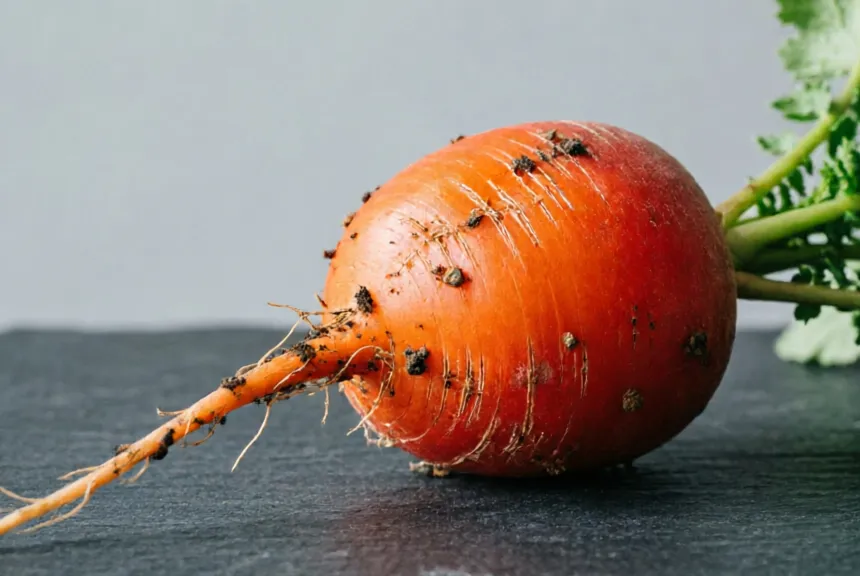
Beetroot, also known as red beet, purple beet, or flame beet, is the fleshy taproot of the biennial herb Beta vulgaris. Native to the Mediterranean coast, it features a deep red exterior and a vibrant interior. Beyond being a highly nutritious vegetable, it is often hailed as the "root of life" or a "superfood" due to its unique health benefits.
Here is a comprehensive overview of beetroot:
Core Nutritional Profile
Beetroot is rich in various beneficial nutrients and active plant compounds:
- Betalain: The water-soluble pigment responsible for its vibrant red color, known for its powerful antioxidant and anti-inflammatory properties.
- Dietary Nitrates: Beetroot contains significantly higher levels of nitrates than common vegetables like onions and tomatoes, serving as a crucial precursor for the body's synthesis of nitric oxide.
- Betaine: A compound that helps lower homocysteine levels and protects the liver.
- Vitamins and Minerals: It is an excellent source of potassium, iron, magnesium, folate (Vitamin B9), Vitamin C, and Vitamin A.
- Dietary Fiber: High fiber content helps promote intestinal motility.
Primary Health Benefits
- Blood Pressure Reduction and Cardiovascular Protection: The nitrates in beetroot are converted into nitric oxide in the body, which helps dilate blood vessels and improve circulation, thereby aiding in lowering blood pressure. Additionally, folate helps reduce homocysteine levels, preventing cardiovascular diseases.
- Enhanced Athletic Endurance: High nitrate concentrations increase oxygen delivery to muscles, boosting exercise endurance by approximately 16% and reducing post-workout muscle soreness and damage.
- Potent Antioxidant and Anti-inflammatory Effects: Betalain effectively neutralizes free radicals, protecting cells from oxidative stress and offering potential benefits in preventing chronic diseases and tumors.
- Anemia Support: The combination of iron and Vitamin C aids in hemoglobin synthesis, making it a natural nutritional aid for preventing and improving iron-deficiency anemia.
- Liver Protection and Digestion: Betaine accelerates bile secretion and helps clear liver vessels, preventing fatty liver disease. Meanwhile, the abundant fiber promotes bowel movements and relieves constipation.
Precautions and Side Effects
Despite its numerous benefits, the following should be noted when consuming beetroot:
- The "Red Urine" Phenomenon: It is completely normal for urine or stool to turn red after eating beets. This harmless condition occurs because the body absorbs only a small amount of betalain, with the excess pigment being excreted. Drinking plenty of water helps resolve it.
- Kidney Stone Risk: Beetroot is high in oxalates. Individuals with a history of kidney stones should limit their intake and ideally blanch or boil the beets to reduce oxalate content.
- Blood Sugar Management: Beets contain relatively high carbohydrates and natural sugars (primarily sucrose) and have a slightly higher calorie count than potatoes. Diabetics should consume them in moderation.
- Digestive Sensitivity: Overconsumption may cause bloating or exacerbate diarrhea in individuals with weak gastrointestinal function.
- Medication Interactions: Beetroot should not be consumed alongside blood-thinning medications. It is also strictly contraindicated for those with beetroot allergies.
Culinary Uses and Preparation Tips
Beetroot has a mildly sweet taste with a slight earthy flavor and can be prepared in various ways:
- Cook Before Eating: Raw beets may contain trace amounts of undesirable compounds, so cooking them is generally recommended.
- Versatile Cooking Methods: Beets can be roasted, boiled, steamed, or grated raw into salads. They can also be juiced into fruit and vegetable smoothies, used to make borscht, or incorporated into dough to naturally color pancakes and noodles.
- Maximize Nutrient Retention: When cooking, leave about an inch of the stem and the root tail intact, and avoid peeling them beforehand. This prevents the bleeding of color and preserves the deep red pigment, potassium, and Vitamin A.
- Recommended Intake: Healthy adults are advised to consume beets 2 to 3 times a week, with a serving size not exceeding 200 grams per meal.