The Mighty Pea: Why Conventional Pea Protein is the Unsung Hero of Plant-Based Nutrition
Sep 11, 2026·Views: 7
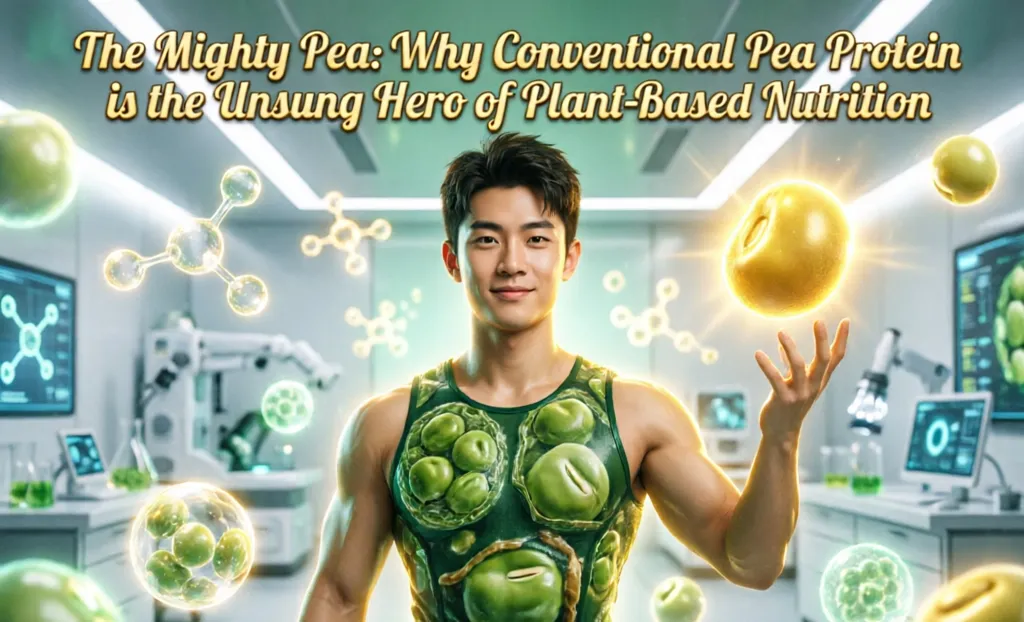
Move over, soy and hemp! There’s a new MVP in the plant-based protein arena, and it’s hiding in plain sight. Conventional pea protein has quietly become the powerhouse of the vegan and fitness worlds. But why the sudden fame? Because this humble legume is packing a serious nutritional punch, offering a complete amino acid profile, incredible versatility, and a sustainability bonus that Mother Nature would be proud of. Let’s crack open the pod and see what makes conventional pea protein so special!
The Nutritional Powerhouse
As a nutritionist, I always look for ingredients that deliver maximum benefits, and pea protein is a star performer. It is rich in all nine essential amino acids that our bodies need but cannot produce on their own. It is particularly high in branched-chain amino acids (BCAAs) like leucine, which are crucial for muscle repair and growth. Plus, it’s naturally low in fat and free from common allergens like dairy, gluten, and soy, making it a safe and effective choice for almost everyone.
As a nutritionist, I always look for ingredients that deliver maximum benefits, and pea protein is a star performer. It is rich in all nine essential amino acids that our bodies need but cannot produce on their own. It is particularly high in branched-chain amino acids (BCAAs) like leucine, which are crucial for muscle repair and growth. Plus, it’s naturally low in fat and free from common allergens like dairy, gluten, and soy, making it a safe and effective choice for almost everyone.
Conventional vs. Organic: What’s the Scoop?
You might be wondering about the "conventional" label. Conventional pea protein simply means the peas are grown using standard agricultural practices. The magic happens during processing. Whether conventional or organic, high-quality pea protein is typically an "isolate" or "concentrate," meaning the starch and fiber are removed to leave behind a highly digestible, protein-dense powder. It still retains a fantastic amino acid profile and provides a highly efficient source of nutrition for your muscles and overall health.
You might be wondering about the "conventional" label. Conventional pea protein simply means the peas are grown using standard agricultural practices. The magic happens during processing. Whether conventional or organic, high-quality pea protein is typically an "isolate" or "concentrate," meaning the starch and fiber are removed to leave behind a highly digestible, protein-dense powder. It still retains a fantastic amino acid profile and provides a highly efficient source of nutrition for your muscles and overall health.
Eco-Friendly Muscle Building
Here is where pea protein truly shines: sustainability! Peas are nitrogen-fixing plants, meaning they naturally enrich the soil rather than deplete it. They also require significantly less water to grow compared to animal proteins and even some other crops. When you choose pea protein, you’re not just fueling your body; you’re also making a choice that’s kinder to our planet.
Here is where pea protein truly shines: sustainability! Peas are nitrogen-fixing plants, meaning they naturally enrich the soil rather than deplete it. They also require significantly less water to grow compared to animal proteins and even some other crops. When you choose pea protein, you’re not just fueling your body; you’re also making a choice that’s kinder to our planet.
How to Enjoy It (Without the Grit!)
One common critique of pea protein is its slightly earthy taste and sometimes gritty texture. But don't worry, there are easy workarounds! Because it blends so well with other flavors, it’s perfect for:
One common critique of pea protein is its slightly earthy taste and sometimes gritty texture. But don't worry, there are easy workarounds! Because it blends so well with other flavors, it’s perfect for:
A Quick Nutritionist’s Note
While pea protein is highly nutritious, it is slightly lower in the amino acid methionine. The golden rule of plant-based eating is variety! By mixing pea protein with other protein sources throughout your day (like rice, nuts, or seeds), you’ll easily create a perfect, complete amino acid profile.
While pea protein is highly nutritious, it is slightly lower in the amino acid methionine. The golden rule of plant-based eating is variety! By mixing pea protein with other protein sources throughout your day (like rice, nuts, or seeds), you’ll easily create a perfect, complete amino acid profile.
Final Thoughts
Conventional pea protein is a testament to the fact that you don’t need to rely on animal products to build muscle and stay healthy. It’s affordable, sustainable, and incredibly versatile. Ready to give your diet a green, protein-packed upgrade? The mighty pea is waiting for you!
Conventional pea protein is a testament to the fact that you don’t need to rely on animal products to build muscle and stay healthy. It’s affordable, sustainable, and incredibly versatile. Ready to give your diet a green, protein-packed upgrade? The mighty pea is waiting for you!