The Golden Fan: The Story Behind Organic Ginkgo Leaf Powder
Sep 11, 2026·Views: 0
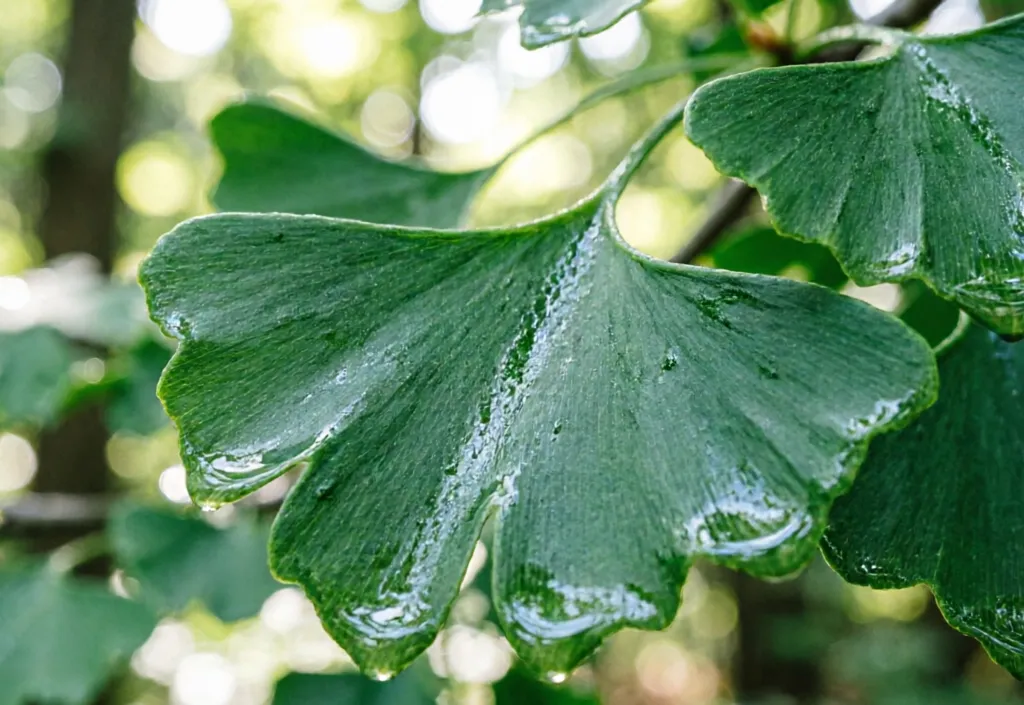
Ginkgo biloba is one of the most recognizable plants in the world. With its distinctive fan-shaped leaves that turn a brilliant gold in autumn, it has become a symbol of longevity and resilience. Often called a "living fossil," the ginkgo tree has existed for over 270 million years, surviving events that wiped out many other species.
A Tree Through Time
Native to China, ginkgo trees have been cultivated for centuries in temple gardens and traditional landscapes. They are remarkably hardy, resistant to pests, pollution, and disease. After the atomic bombing of Hiroshima in 1945, ginkgo trees were among the first living things to sprout again, further cementing their reputation as symbols of endurance.
From Leaf to Powder
Ginkgo leaf powder is produced by harvesting the leaves, drying them, and grinding them into a fine powder. Organic ginkgo leaf powder comes from trees grown without synthetic pesticides or fertilizers, following certified organic agricultural standards.
The leaves contain a variety of naturally occurring compounds, including flavonoids and terpenoids, which have been the subject of scientific interest for decades. These compounds are also found in many other plants and foods commonly consumed as part of a varied diet.
Where Ginkgo Leaf Powder Appears
Ginkgo leaf powder may be found in a range of products, including herbal teas, culinary blends, cosmetic formulations, and dietary supplements. Its use varies significantly depending on regional regulations and product categories.
In the United States, ginkgo leaf is generally recognized as a botanical ingredient. However, how it is marketed, labeled, and sold depends on the intended use of the final product. Ingredients used in foods, dietary supplements, or cosmetics are subject to different regulatory frameworks, and manufacturers are responsible for ensuring compliance with applicable FDA requirements.
Why "Organic" Matters
Choosing organic ginkgo leaf powder means the raw material has been produced under an organic certification system. This typically involves standards for soil quality, pest management, and traceability from farm to finished ingredient. For buyers and formulators, organic certification can provide an additional layer of transparency about how the ingredient was grown and handled.
A Note on Responsible Communication
Ginkgo biloba is widely discussed in wellness and botanical communities. However, it is important to distinguish between cultural history, traditional use, and scientifically substantiated health claims. Responsible ingredient communication focuses on botanical identity, origin, processing methods, and quality attributes rather than implying effects on health conditions.
The Golden Fan Today
Today, ginkgo continues to attract interest from herbalists, researchers, and product developers around the world. Its striking appearance, long history, and complex phytochemical profile make it a compelling subject for anyone interested in plant-based ingredients.
Whether used in teas, topical products, or botanical blends, organic ginkgo leaf powder represents more than just a single ingredient. It carries the story of an ancient tree that has walked through deep time and remains standing, golden and resilient, in the modern world.
Disclaimer
These statements have not been evaluated by the Food and Drug Administration. This product is sold as a bulk ingredient and is not intended to diagnose, treat, cure, or prevent any disease.
This article is provided for general informational and educational purposes only and does not constitute legal, regulatory, medical, or professional advice. Readers should consult qualified regulatory counsel or compliance professionals to determine applicable requirements for their specific products, formulations, labeling, claims, and markets.