
Organic Purple Sweet Potato: Nature's Vibrant Superfood
Sep 19, 2026·Views: 4
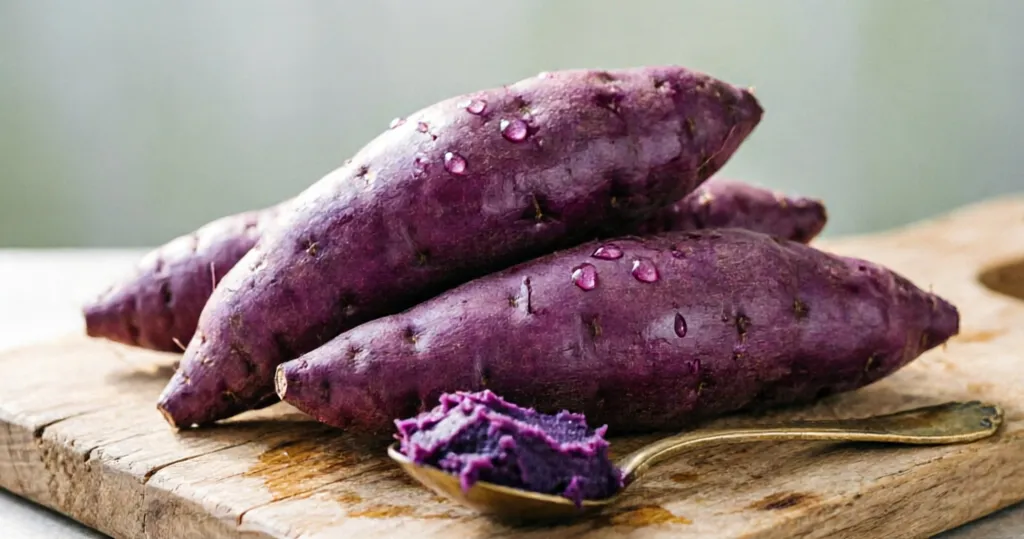
Organic purple sweet potatoes (also known as purple yams or purple-fleshed sweet potatoes) are a stunning, nutrient-dense root vegetable that has rapidly gained popularity among health-conscious consumers worldwide. With their deep violet flesh, naturally sweet flavor, and exceptional antioxidant profile, they are far more than just a colorful addition to your plate—they are a powerhouse of nutrition and wellness.
What Makes Them "Organic"?
Organic purple sweet potatoes are cultivated without the use of synthetic pesticides, herbicides, or genetically modified organisms (GMOs). The organic certification (such as USDA Organic or EU Organic standards) ensures that the entire growing process—from soil preparation to harvest—adheres to strict environmental and sustainability guidelines.
This means:
While the nutritional content (vitamins, minerals, fiber) is largely similar between organic and conventional purple sweet potatoes, the key advantage of organic lies in what is absent—synthetic chemicals—rather than what is added.
Why Are They Purple?
The vibrant purple color comes from anthocyanins, a class of water-soluble flavonoid pigments also found in blueberries, blackberries, red cabbage, and purple grapes. This is entirely natural—not the result of genetic modification or artificial dyeing.
Anthocyanins are potent antioxidants that play a critical role in neutralizing harmful free radicals in the body. Research shows that purple sweet potatoes can contain 1.5 to 3 times more antioxidants than their orange-fleshed counterparts, with some cultivars reaching up to 300–400 mg of anthocyanins per 100g.
Nutritional Profile (Per 100g, Raw)
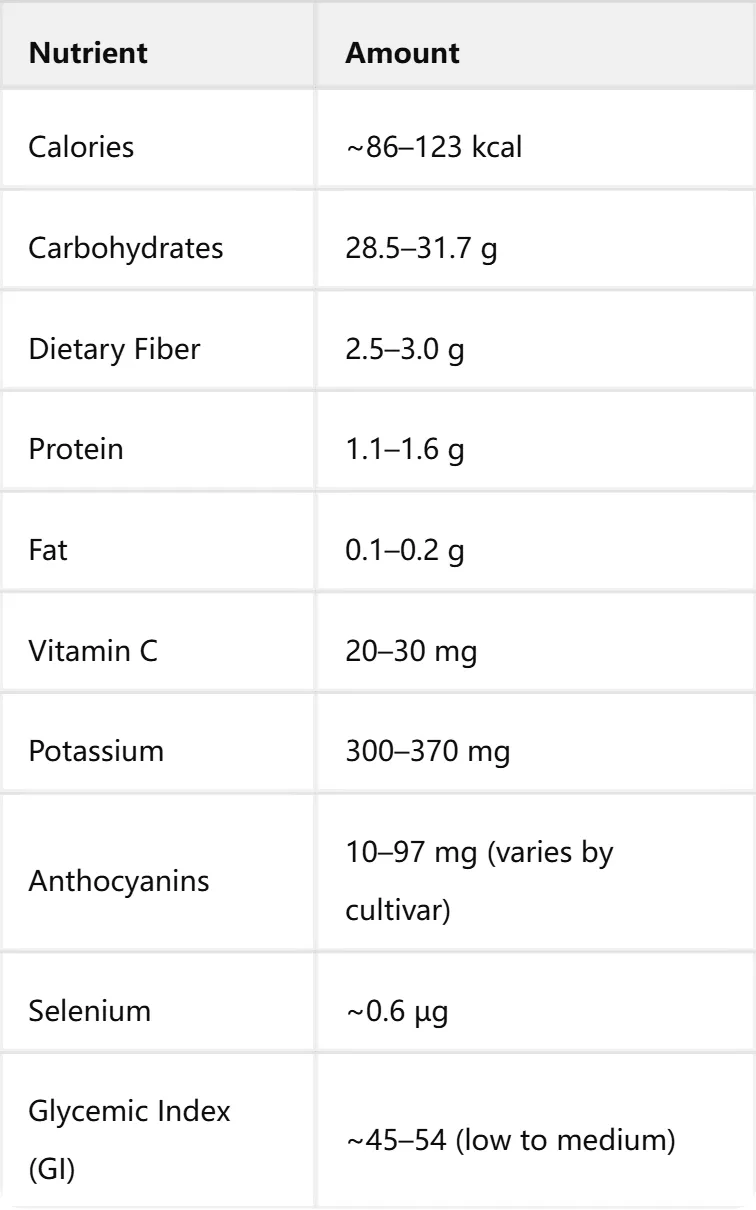
They also provide 18 essential amino acids, B vitamins, iron, calcium, phosphorus, zinc, and mucilage protein.
Key Health Benefits
1. Powerful Antioxidant Protection
Anthocyanins in purple sweet potatoes have been shown to have an antioxidant capacity 20 times that of vitamin C and 50 times that of vitamin E. This helps combat oxidative stress, reduce chronic inflammation, and may lower the risk of cardiovascular disease and certain cancers.
Anthocyanins in purple sweet potatoes have been shown to have an antioxidant capacity 20 times that of vitamin C and 50 times that of vitamin E. This helps combat oxidative stress, reduce chronic inflammation, and may lower the risk of cardiovascular disease and certain cancers.
2. Supports Heart Health
The potassium content helps regulate blood pressure by balancing sodium levels, while anthocyanins inhibit the oxidation of LDL ("bad") cholesterol, reducing the risk of arterial plaque buildup.
The potassium content helps regulate blood pressure by balancing sodium levels, while anthocyanins inhibit the oxidation of LDL ("bad") cholesterol, reducing the risk of arterial plaque buildup.
3. Blood Sugar Regulation
With a low-to-medium glycemic index (GI ~54), purple sweet potatoes release glucose gradually into the bloodstream, preventing sharp blood sugar spikes. The dietary fiber and resistant starch further slow carbohydrate absorption, making them a suitable choice for people managing diabetes or insulin resistance.
With a low-to-medium glycemic index (GI ~54), purple sweet potatoes release glucose gradually into the bloodstream, preventing sharp blood sugar spikes. The dietary fiber and resistant starch further slow carbohydrate absorption, making them a suitable choice for people managing diabetes or insulin resistance.
4. Promotes Gut Health
Rich in both soluble and insoluble fiber (2.5–3g per 100g), purple sweet potatoes support regular bowel movements and act as a prebiotic, nourishing beneficial gut bacteria such as Bifidobacteria and Lactobacillus.
Rich in both soluble and insoluble fiber (2.5–3g per 100g), purple sweet potatoes support regular bowel movements and act as a prebiotic, nourishing beneficial gut bacteria such as Bifidobacteria and Lactobacillus.
5. Eye Health
Anthocyanins promote the regeneration of rhodopsin in the retina, improving night vision and reducing eye fatigue. The β-carotene content also converts to vitamin A, essential for preventing dry eyes and maintaining corneal health.
Anthocyanins promote the regeneration of rhodopsin in the retina, improving night vision and reducing eye fatigue. The β-carotene content also converts to vitamin A, essential for preventing dry eyes and maintaining corneal health.
6. Immune Support
Vitamin C boosts immune function and collagen synthesis, while selenium enhances the activity of glutathione peroxidase—an important enzyme for antioxidant defense and thyroid health.
Vitamin C boosts immune function and collagen synthesis, while selenium enhances the activity of glutathione peroxidase—an important enzyme for antioxidant defense and thyroid health.
Popular Varieties
How to Cook & Enjoy
To maximize nutrient retention—especially the heat-sensitive anthocyanins—gentle cooking methods are recommended:
Tip: Avoid prolonged high-temperature baking or deep-frying, as these methods can significantly degrade anthocyanin content.
️ Things to Keep in Mind
A Global Favorite
From the markets of Okinawa to the farms of North Carolina and the highlands of Southwest China, organic purple sweet potatoes have become a beloved ingredient across cultures. Whether enjoyed as a simple roasted side, blended into vibrant smoothie bowls, or incorporated into traditional desserts, they offer a delicious and visually striking way to boost your daily intake of antioxidants and essential nutrients.
In a world where "eating the rainbow" is more than just a catchy phrase, organic purple sweet potatoes are a shining example of how nature's most colorful foods are often its most nourishing.