
Organic Goji Berries: A Comprehensive Guide to Nature's Premium Superfood
Sep 19, 2026·Views: 4
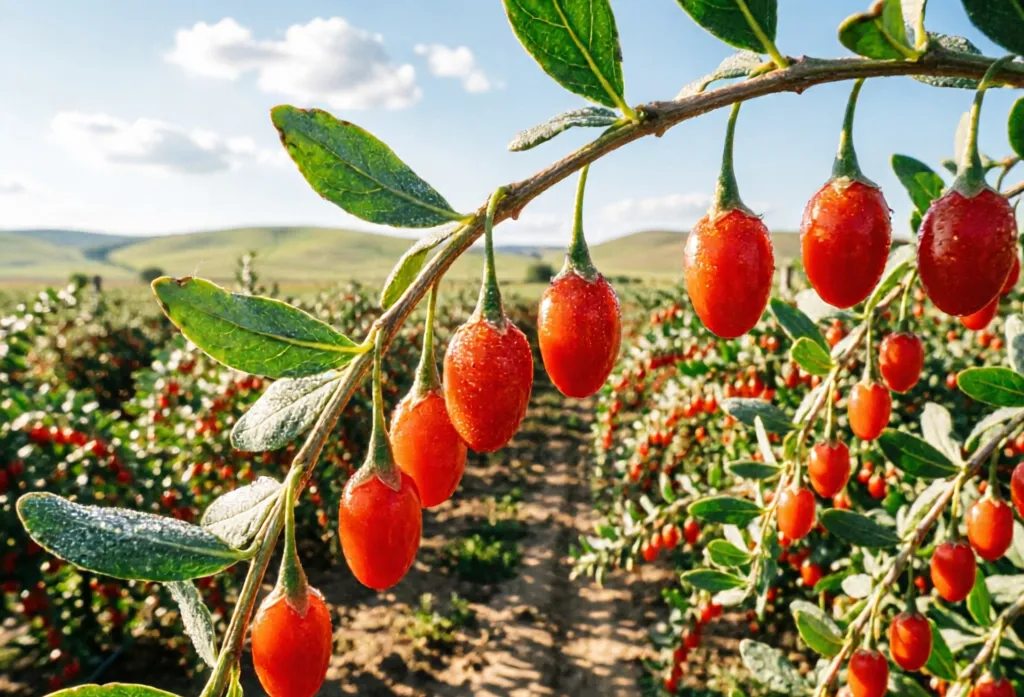
In the ever-evolving world of wellness, few ingredients have captured the imagination of health-conscious consumers quite like the goji berry. Revered for over 2,000 years in traditional Chinese medicine, this vibrant red fruit has transcended its Eastern origins to become a global superfood icon. Today, organic goji berries represent the gold standard in this category, offering unparalleled purity and nutritional density for those who demand the best from their food.
Understanding Organic Certification
What truly separates organic goji berries from their conventional counterparts is the rigorous certification process they undergo. According to the Chinese national standard GB/T 19630, as well as internationally recognized certifications like USDA Organic, EU Organic, and Japan's JAS, organic goji production prohibits the use of synthetic pesticides, chemical fertilizers, growth regulators, and genetically modified organisms at every stage—from soil preparation to final packaging.
The requirements are stringent:
The Science of Organic Superiority
Research consistently demonstrates that organic cultivation doesn't merely eliminate harmful residues—it actively enhances nutritional quality. A landmark 2021 study published in Food Science revealed that organic goji berries had a pesticide detection rate of just 12.3%, compared to 68.7% in conventional samples, while heavy metal content (lead, cadmium, arsenic) was 40–60% lower.
More importantly, organic farming stimulates the plant's natural defense mechanisms, resulting in significantly higher levels of bioactive compounds:
Premier Growing Regions
China dominates global organic goji production, with two regions standing out for their exceptional quality:
Qinghai Province is home to 78.9% of China's certified organic goji acreage as of 2021. The Qaidam Basin offers ideal conditions—high altitude (2,500+ meters), intense UV radiation, dramatic day-night temperature swings, and zero industrial pollution. These environmental stresses naturally boost the berries' antioxidant production.
Ningxia Zhongning, the 600-year-old birthplace of goji cultivation, is renowned for its selenium-rich soil and Yellow River irrigation, producing berries with exceptional sweetness and texture. Ningxia's goji exports reached 1,331.2 tonnes in the first four months of 2024 alone, with Germany, the United States, and the Netherlands among the top destinations.
How to Identify Authentic Organic Goji Berries
Incorporating Goji Berries into Your Daily Routine
The recommended daily intake is 10–20 grams (approximately 30–40 berries). For maximum nutrient absorption, enjoy them raw as a snack. Alternatively, steep them in warm water below 60°C to preserve heat-sensitive vitamins. Popular pairings include chrysanthemum for eye health, red dates for blood nourishment, or simply adding them to oatmeal, smoothies, and yogurt bowls.
Who Benefits Most from Organic?
Organic goji berries are particularly recommended for pregnant women, infants, the elderly, and anyone with compromised immunity who requires the highest safety standards. For everyday cooking involving high heat, conventional goji berries can still meet basic nutritional needs at a more accessible price point.
Market Trends and Consumer Adoption
The global goji berry market was valued at USD 1.8 billion in 2024 and is projected to reach USD 3.2 billion by 2034, growing at a CAGR of 5.9%. Organic varieties command premium pricing, retailing at 40–60% higher prices than conventional alternatives in North American and European markets. The functional beverage sector represents the fastest-expanding application area, with goji-infused products capturing significant market share from traditional energy drinks.
In conclusion, organic goji berries represent far more than a premium food product—they embody a commitment to personal health, environmental sustainability, and agricultural integrity. As consumer awareness of food safety and nutritional quality continues to grow, organic goji berries stand as a testament to what nature can provide when we cultivate with care and respect.
Experience Organic Goji — Now in Juice Powder Form
Ready to elevate your daily wellness? Qimei USA’s Organic Gojiberry Juice Powder brings the full nutritional power of certified organic goji berries into a convenient, water-soluble form. Sourced from pristine Qinghai and Ningxia Zhongning, our gentle spray-drying process preserves immune-boosting LBP, eye-protecting zeaxanthin, and antioxidant flavonoids — with zero additives.
Perfect for smoothies, functional beverages, supplements, or baked goods. Discover the gold standard of organic goji nutrition today.
👉 Explore the product here: Organic Gojiberry Juice Powder