Organic Pumpkin Powder: A Natural, Clean-Label Multi-Functional Ingredient
Oct 9, 2026·Views: 3
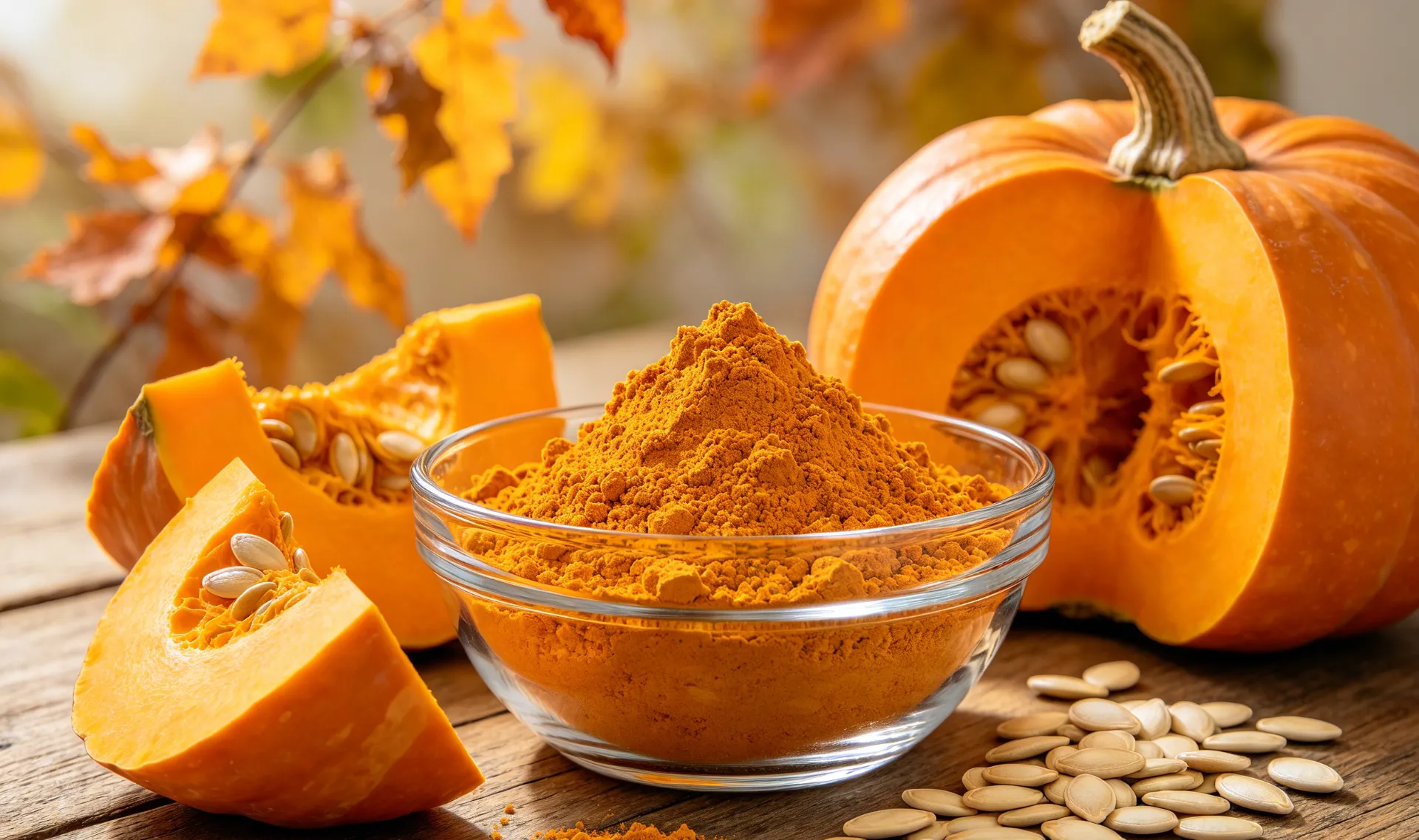
Organic pumpkin powder is a finely milled ingredient made from dehydrated organic pumpkin fruit. It delivers natural orange color, a mild sweet flavor, and a concentrated nutrient profile, making it a popular choice for food, beverage, supplement, and pet food formulators. Because it is shelf-stable and easy to blend, it is often used as a practical alternative to fresh or canned pumpkin.
How Organic Pumpkin Powder Is Made
Pumpkin powder is typically produced by drying ripe pumpkin flesh and grinding it into a fine powder. Depending on the process, it may be air-dried, oven-dried, or freeze-dried. Freeze-dried versions generally retain more color and aroma, while conventional dried powders offer a cost-efficient option for large-scale applications.
For products labeled "Organic Pumpkin Powder," the raw material must come from pumpkins grown under organic standards. This means the production process follows strict agricultural practices, typically prohibiting synthetic fertilizers, most synthetic pesticides, genetically modified organisms (GMOs), and ionizing radiation.
Nutrition Profile of Pumpkin Powder
Pumpkin powder is naturally low in fat and provides carbohydrates, dietary fiber, and plant-based nutrients. Its orange color comes primarily from beta-carotene, a carotenoid that the body can convert into vitamin A. Depending on the variety and processing method, pumpkin powder may also contain vitamin C, vitamin E, B vitamins, potassium, iron, and other minerals.
Exact nutrient values vary by batch, so brands should rely on laboratory testing and compliant nutrition labeling rather than generalized claims.
Why Choose Organic Pumpkin Powder
Organic pumpkin powder is increasingly favored by brands for several key reasons:
- Clean-label advantage: The ingredient list is simple and straightforward, containing only pumpkin itself without synthetic colors, artificial flavors, or preservatives, aligning with consumer preferences for "fewer additives and more natural" products.
- Organic farming approach: Organic farming practices reduce the use of synthetic pesticides and chemical fertilizers, appealing to consumers who value sustainable agriculture and environmental protection.
- Natural color and flavor: It provides a warm orange-yellow hue and a mild pumpkin aroma, which can replace artificial colors and some flavorings to enhance the sensory experience of products.
- Convenient use and stable storage: Compared to fresh or canned pumpkin, the powder form requires no refrigeration, is less prone to spoilage, lowers transportation and warehousing costs, and allows for more precise dosing.
- Strong formulation flexibility: It can be used directly in dry mixes or rehydrated to replace pumpkin purée, suitable for various categories including baking, beverages, soups, snacks, and supplements.
- Aligns with mainstream consumer trends: It simultaneously meets the market demand for plant-based, gluten-free (depending on processing conditions), clean-label, and organic products, helping to enhance product positioning and premium potential.
Common Applications
Organic pumpkin powder is widely used across multiple categories:
- Bakery: breads, muffins, cookies, cakes, pancakes, and pie fillings
- Beverages: smoothies, lattes, protein shakes, and plant-based drinks
- Savory foods: soups, sauces, pasta, and seasoning blends
- Snacks and cereals: energy bars, oatmeal, puffed snacks, and instant mixes
- Functional foods: plant-based nutrition products and clean-label formulations
- Pet food and treats: as a fiber-rich pumpkin ingredient, subject to applicable pet food regulations
Disclaimer
These statements have not been evaluated by the Food and Drug Administration. This product is sold as a bulk ingredient and is not intended to diagnose, treat, cure, or prevent any disease.
This article is provided for general informational and educational purposes only and does not constitute legal, regulatory, medical, or professional advice. Readers should consult qualified regulatory counsel or compliance professionals to determine applicable requirements for their specific products, formulations, labeling, claims, and markets.