Sourcing Organic Orange Juice Powder: Quality, Consistency, and Compliance
Nov 23, 2026· Views: 2· Author: Hannah Li, Ingredient Specialist
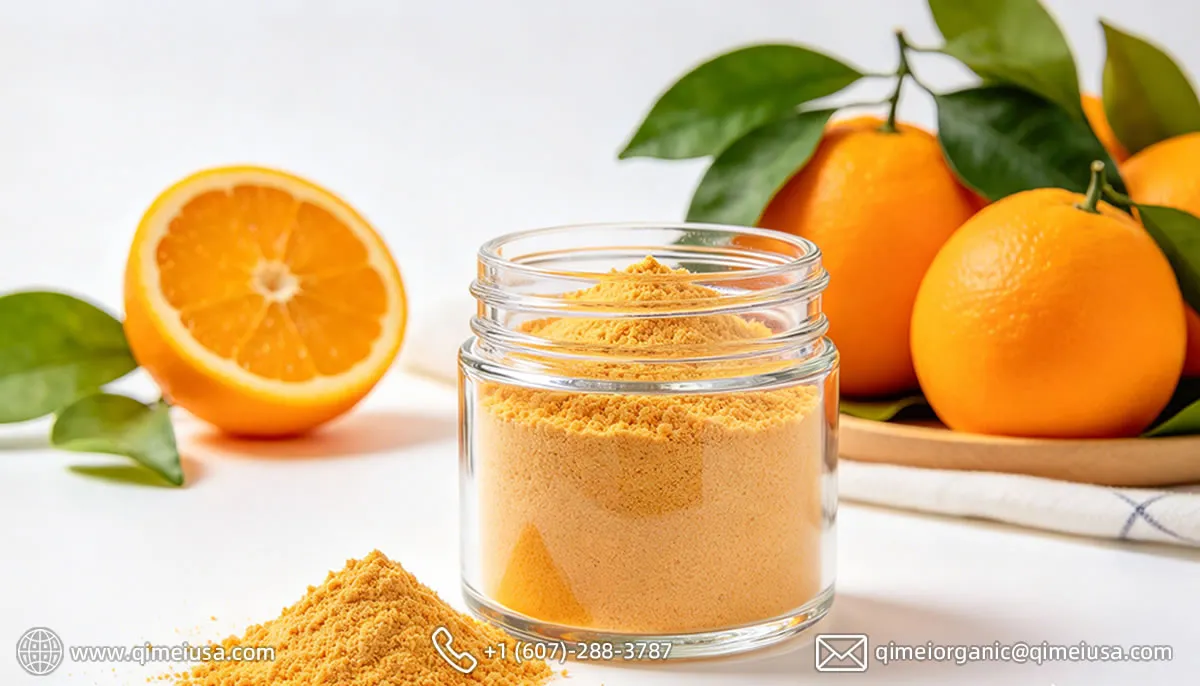
Organic orange juice powder is a highly concentrated, shelf-stable fruit ingredient produced from certified organic orange juice (Citrus sinensis). Unlike whole orange powder (which includes peel and pulp), orange juice powder is typically made from cold-pressed juice via low-temperature spray-drying or freeze-drying, creating an instantly dissolving powder with an intense sweet-tart flavor. For B2B buyers targeting the U.S. and European markets, this ingredient is a premium clean-label solution. It eliminates the need for artificial flavors, colors, and carriers like maltodextrin, making it ideal for functional beverages, supplements, and confectionery.
Core Specifications & Quality Parameters
When sourcing organic orange juice powder, verify the following key parameters against your application needs:
1. Processing Method: Freeze-dried powders retain up to 95% of Vitamin C and offer superior flavor compared to standard spray-dried products, though spray-dried options remain more cost-effective for high-volume applications.
2. Mesh Size & Particle Distribution: Commonly available in 80–100 mesh. Fine powders are preferred for beverages and instant mixes to ensure rapid dispersion and prevent clumping.
3. Moisture Content: Typically controlled at ≤5% to ensure free-flowing properties and extend shelf life.
4. Solubility: High-quality powders should dissolve easily in cold or warm water without gritty sediment or excessive foaming.
5. Color & Aroma: Natural light yellow to orange hue. Overly bright colors may indicate added colorants, while dull or brownish tones suggest oxidation or Vitamin C degradation.
6. Nutritional Retention: Look for specific Vitamin C content (e.g., ≥50–70 mg/g) and natural citric acid levels (typically 6–8%) to ensure authentic juice flavor.
Key Applications in Food Manufacturing
Organic orange juice powder is highly versatile across industrial food production:
1. Beverages & Drink Mixes: Used in instant drink powders, RTD beverages, energy drinks, and flavored waters for natural citrus flavor and color.
2. Dietary Supplements: Incorporated into Vitamin C supplements, immune-boosting blends, effervescent tablets, and powder blends.
3. Bakery & Confectionery: Added to cake batters, frostings, gummies, candies, and snack coatings for authentic orange taste without artificial additives.
4. Dairy & Plant-Based Alternatives: Blended into yogurts, ice creams, smoothie bowls, and plant-based milk beverages.
5. Savory Applications: Used in seasoning packets, dressings, and marinades to provide acidity and natural sweetness.
B2B Sourcing & Compliance Considerations
1. Organic Certification: For the U.S. market, ensure the product complies with USDA NOP standards. For the EU, verify EU Organic certification. Buyers must request valid organic certificates, transaction certificates (TCs), and batch-specific COAs to prevent certification mismatches.
2. Clean Label & Additive-Free: Organic orange juice powder should contain 100% fruit solids with no added sugars, preservatives, artificial flavors, or synthetic anti-caking agents. If anti-caking agents are used, they must be natural (e.g., rice flour) and compliant with destination market regulations.
3. Food Safety & Contaminants: Confirm compliance with heavy metal limits (e.g., Lead ≤1.0ppm, Arsenic ≤0.5ppm), pesticide residues (500+ non-detect for organic), and microbiological standards (Total Plate Count <1000 cfu/g, Salmonella/E. coli negative) per EU/US regulations.
4. Allergen & Cross-Contact Control: Orange is not a major regulated allergen, but buyers should confirm the facility's allergen management program, especially regarding gluten or nut cross-contact if producing for sensitive markets.
Formulation & Processing Best Practices
1. Heat Sensitivity: Vitamin C and citrus aroma compounds are heat-sensitive. For baked goods, consider post-bake applications (dusting, fillings, icings) or add the powder late in the cooking process to preserve flavor and nutritional value.
2. Moisture Management: The powder is highly hygroscopic. Store in sealed, moisture-proof packaging (e.g., aluminum foil-lined bags) in a cool, dry environment. Avoid prolonged exposure to humid air during blending.
3. Dispersion in Liquids: For beverages and dairy, pre-disperse the powder in a small amount of liquid or oil to prevent lumping before adding to the main batch.
4. pH Considerations: In acidic systems (e.g., fruit drinks, dressings), orange flavor remains stable, but excessive acidity may slightly alter perceived sweetness. Balance with natural sweeteners if needed.
Packaging, Storage & Shelf Life
1. Packaging: Typically supplied in food-grade PE bags inside export cartons (e.g., 10kg, 20kg, or 25kg per carton/drum), or in bulk drums with inner liners. Nitrogen flushing or vacuum packaging is recommended for long-term storage.
2. Storage Conditions: Store below 25°C with relative humidity under 50%. Protect from direct sunlight and oxygen to prevent oxidation and browning.
3. Shelf Life: 18–24 months under proper storage conditions.
Supply & Cooperation
We supply organic and conventional orange juice powder in multiple mesh sizes (80–100 mesh, customizable). Organic products are supported by USDA NOP, EU Organic, or equivalent certifications. Our powder is suitable for beverages, supplements, bakery, dairy, and savory applications. Contact us for samples, specification sheets, COAs, and certification documents tailored to your target market requirements.
👉 Explore the product here : Organic Orange Juice Powder
Disclaimer
This content is for general B2B informational purposes only and does not constitute legal, regulatory, or professional advice. Buyers should independently verify labeling, claims, and import requirements for their specific destination markets with qualified compliance counsel.
More to explore