Mung Bean Protein Supplier | Bulk Plant-Based Protein for Beverages, Supplements & Alternative Proteins
Nov 9, 2026· Views: 10· Author: Hannah Li, Ingredient Specialist
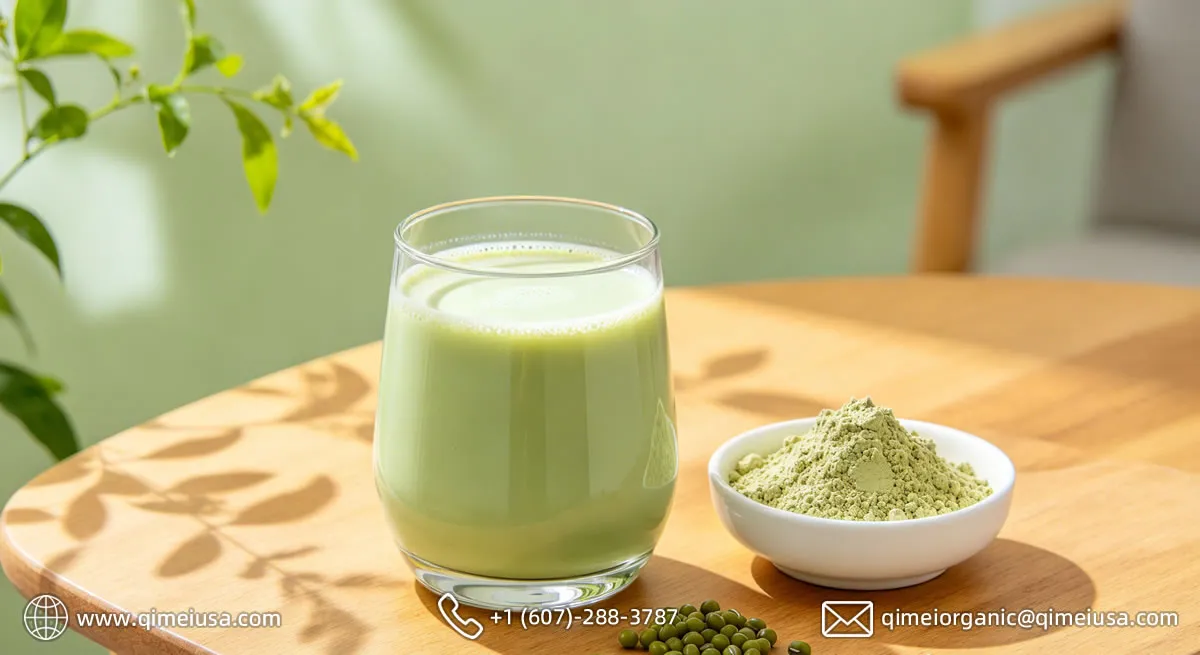
Mung bean protein is a plant-based protein ingredient derived from Vigna radiata (mung bean). It is commonly supplied as mung bean protein concentrate or mung bean protein isolate and used in beverages, dietary supplements, alternative proteins, bakery products, snacks, and plant-based dairy applications.
Mung beans have been consumed in Asian diets for centuries and are valued for their protein content, essential amino acids, and functional performance in food systems. Mung bean protein is naturally gluten-free and is often considered a non-soy, non-dairy protein option for clean-label and plant-forward formulations.
What Makes Mung Bean Protein Different?
Mung beans typically contain about 20–30% protein, with globulins and albumins as the main protein fractions. Compared with many other plant proteins, mung bean protein is relatively rich in lysine, an essential amino acid that is often limited in cereal-based diets.
Like most legume proteins, mung bean protein is relatively lower in sulfur-containing amino acids such as methionine and cysteine. This makes it especially suitable for blending with cereal proteins or other plant proteins to improve overall amino acid balance.
Amino Acid Profile
Mung bean protein contains all nine essential amino acids. It is particularly rich in lysine, leucine, valine, isoleucine, phenylalanine, and tyrosine. It also provides branched-chain amino acids (BCAAs), which are commonly discussed in sports nutrition and active lifestyle products.
The exact amino acid profile can vary depending on variety, growing conditions, extraction method, and whether the product is a concentrate, isolate, or hydrolysate.
Digestibility and Allergen Considerations
Mung bean protein is generally considered easy to digest and is often positioned as a low-allergen plant protein option. It is not listed as a major allergen under U.S. FALCPA labeling requirements. However, individuals with allergies to soybean, peanut, lupin, or birch pollen may still be sensitive to legume proteins.
For manufacturers, allergen control, cross-contact management, and market-specific labeling review remain important.
Functional Properties
Mung bean protein is used not only for nutrition but also for formulation performance:
Typical Applications
Sustainability and Market Relevance
Mung beans are widely cultivated across Asia and other regions and are often described as an environmentally favorable legume crop because they require relatively low inputs compared with some other protein sources. As demand for plant-based, vegan, and clean-label ingredients continues to grow, mung bean protein is gaining attention as an alternative to soy and pea proteins.
U.S. and EU Regulatory Notes
This page is for general B2B information only and does not constitute legal or regulatory advice. Buyers should confirm labeling, claims, and import requirements with their own compliance counsel.
Sourcing Checklist
Request Samples and Specifications
If you are formulating plant-based beverages, supplements, alternative proteins, or functional foods, contact us for samples, specification sheets, COAs, and certification documents. We supply mung bean protein in bulk for manufacturers and brands.
Disclaimer
These statements have not been evaluated by the Food and Drug Administration. This product is not intended to diagnose, treat, cure, or prevent any disease.
This content is provided for general informational and educational purposes only and does not constitute legal, regulatory, medical, or professional advice. Readers should consult qualified regulatory counsel or compliance professionals to determine applicable requirements for their specific products, formulations, labeling, claims, and markets.
More to explore
News
Qimei Industrial Group to Exhibit at FIE Frankfurt 2026 - Booth 30N38
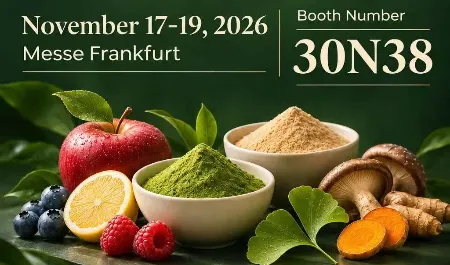
Qimei Industrial Group will exhibit at Food Ingredients Europe (FIE) 2026 in Frankfurt, Nov 17-19. Visit booth 30N38 for organic plant-based ingredients and bulk supply solutions.
Nov 5, 2026 Read
That’s a wrap! Reflecting on an incredible SupplySide Global 2026.
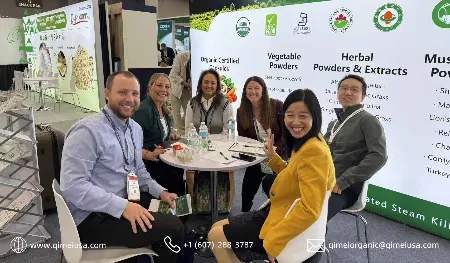
Qimei USA Inc successfully wrapped up SupplySide Global 2026 in Las Vegas. Discover our organic fruit and vegetable powders, mushroom powders and extracts, superfoods, and plant-based nutrition solutions.
Nov 3, 2026 Read
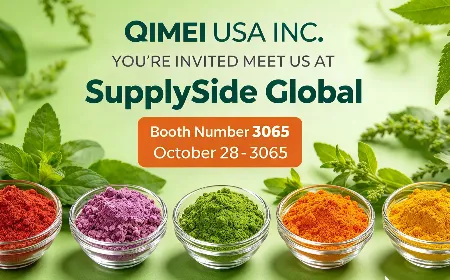
Meet Qimei at SupplySide Global 2026!
Meet Qimei USA Inc at SupplySide Global 2026 in Las Vegas, Oct 28–30, at Booth 3065. Explore organic fruit and vegetable powders, mushroom extracts, superfoods, and plant-based nutrition solutions.
Oct 19, 2026 Read